
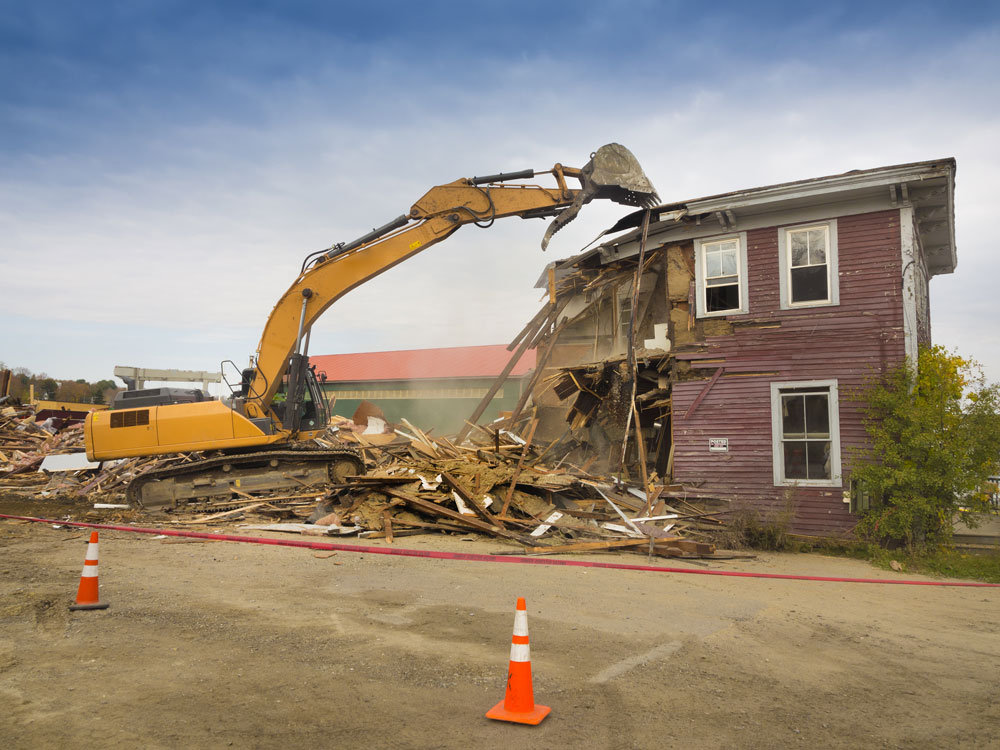
Fire-Damaged Structural Demolition: Navigating Insurance and Site Clearance in Lucas County
A structure fire can leave property owners facing difficult decisions long after the flames are out. Beyond the emotional impact, damaged buildings often present safety hazards, insurance questions, and cleanup challenges that require careful planning. For property owners in Lucas County, understanding how fire-damaged structural demolition fits into the recovery process can help reduce delays and prepare the site for rebuilding.
Quick Answer
Fire-damaged structural demolition is the controlled removal of a building that can no longer be safely repaired after a fire. In Lucas County, this process typically involves coordinating with insurance representatives, obtaining required permits, safely disconnecting utilities, removing debris, and preparing the property for its next use. Following the proper steps helps protect safety, supports insurance documentation, and keeps recovery moving forward.
What Local Readers Should Know
-
Fire-damaged buildings may require engineering evaluations before demolition decisions are made.
-
Properties in Toledo, Oregon, Maumee, and other Lucas County communities may have different local permitting requirements depending on the municipality.
-
Utility disconnections through providers such as Toledo Edison and Columbia Gas of Ohio are typically completed before demolition begins.
-
Smoke damage, unstable structural components, and hidden hazards often remain even after the fire is extinguished.
-
Proper debris handling helps prepare the site for future construction while supporting insurance documentation.
Why This Matters Locally
Fire damage affects residential and commercial properties throughout Lucas County. Older homes found throughout Toledo’s historic neighborhoods and long-standing commercial buildings across Sylvania, Holland, and Waterville may contain materials or construction methods that require additional planning during demolition. Winter freeze and thaw cycles, heavy spring rainfall, and the proximity of the Maumee River can also complicate cleanup if damaged structures remain exposed for extended periods.
Klumm Bros. understands that structural demolition is often one step in a much larger recovery process. We work to safely clear damaged sites so property owners can move toward rebuilding with confidence.
Local Data and Field Observations
According to the Ohio Department of Commerce Division of State Fire Marshal, residential and commercial structure fires continue to occur across communities throughout Ohio each year. While every incident is different, our field observations show that severe fire damage frequently leaves roofs, load-bearing walls, and floor systems structurally compromised even when portions of the building appear intact.
Local Impact
Fire-damaged structures affect more than the building itself. Delayed demolition can postpone insurance settlements, increase security concerns, expose neighboring properties to safety risks, and slow redevelopment efforts. Businesses may experience extended downtime, while homeowners often face additional costs from weather exposure if unstable structures remain standing.
Warning Signs That Demolition May Be Necessary
Fire-damaged structural demolition may become necessary when you notice:
-
Large sections of the roof have collapsed.
-
Exterior walls have shifted, bowed, or cracked significantly.
-
Structural framing has extensive charring or warping.
-
Engineers determine the building is unsafe to repair.
-
Water used during firefighting has caused additional structural deterioration.
-
The insurance settlement supports replacement instead of restoration.
-
Local officials determine the building presents a public safety hazard.
When to Call a Professional
Professional demolition services should be involved as soon as a building has been deemed unsafe or beyond practical repair. Property owners can document visible damage, secure the property if it is safe to do so, and communicate with their insurance carrier. Structural evaluations, demolition planning, permit coordination, and heavy equipment operations should be handled by experienced professionals familiar with local requirements.
Common Local Causes of Structural Demolition After Fire
Fire-damaged demolition often results from several factors working together.
Severe Structural Damage
High temperatures can weaken wood framing, steel components, and concrete, making repairs impractical.
Water Damage Following Fire Suppression
Thousands of gallons of water used during firefighting efforts can further compromise floors, walls, and foundations.
Age of the Building
Many older structures throughout Lucas County may have construction methods that make complete restoration more difficult after significant fire damage.
Safety Requirements
Local building officials may determine that demolition is the safest path before redevelopment can begin.
Prevention and Maintenance
While no one can completely eliminate the risk of fire, property owners can reduce potential damage by:
-
Scheduling regular electrical inspections.
-
Maintaining heating equipment.
-
Installing and testing smoke alarms.
-
Keeping combustible materials away from ignition sources.
-
Addressing structural issues before they worsen.
-
Creating an emergency response plan for homes and businesses.
After a fire, avoid entering heavily damaged structures until authorities determine it is safe.
Expected Results
A professionally managed demolition project typically results in a cleared site ready for future planning. Property owners can expect hazardous structural elements to be removed, debris to be properly managed, and the property prepared for rebuilding or redevelopment according to local requirements. Actual timelines vary depending on permitting, insurance approvals, and site conditions.
Common Mistakes
Mistake: Beginning cleanup before documenting damage.
Consequence: Insurance claims may become more difficult to support.
Better Approach: Photograph the property thoroughly before demolition begins.
Mistake: Delaying demolition after a structure is declared unsafe.
Consequence: Weather and unauthorized entry can create additional risks.
Better Approach: Coordinate promptly with insurance representatives and demolition professionals.
Mistake: Assuming every fire-damaged building can be repaired.
Consequence: Time and money may be spent pursuing unrealistic restoration options.
Better Approach: Obtain professional structural evaluations before making major decisions.
Common Local Scenario
A commercial property owner in Lucas County experiences a significant overnight fire. After emergency responders secure the scene, an engineer determines that portions of the roof and supporting walls have become unstable. The insurance carrier documents the damage, permits are obtained, utilities are disconnected, and the damaged structure is safely demolished so redevelopment planning can begin.
Related Service Solutions
Fire-damaged demolition often works alongside additional services, including:
-
Structural demolition
-
Commercial demolition
-
Residential demolition
-
Site clearing
-
Debris removal
-
Concrete removal
-
Site preparation for rebuilding
Comparing Your Options
| Option | Best For | Considerations |
|---|---|---|
| Repair | Limited structural damage | May require extensive inspections and reconstruction |
| Partial Demolition | Isolated damaged sections | Only appropriate when remaining structure is sound |
| Full Structural Demolition | Severe fire damage | Allows complete site preparation for rebuilding |
Service Areas
We proudly serve property owners throughout Lucas County, including Toledo, Sylvania, Maumee, Oregon, Holland, Waterville, and nearby communities. Our team understands the regional conditions and permitting processes that help keep demolition projects moving efficiently.
Cost of Ignoring the Issue
Leaving a severely fire-damaged structure standing can increase deterioration, create ongoing safety concerns, attract trespassers, and delay insurance and rebuilding timelines. Acting promptly helps protect both the property and surrounding community.
Frequently Asked Questions
Does insurance usually cover fire-damaged structural demolition in Lucas County?
Coverage depends on the individual policy. Many insurance policies include demolition costs when a building is determined to be a total loss, but property owners should review coverage details directly with their insurance carrier.
How long does fire-damaged demolition take in Lucas County?
The timeline depends on permitting, utility disconnections, insurance approvals, building size, and debris removal requirements. Smaller structures may be completed more quickly than large commercial properties.
Can I enter my fire-damaged building before demolition?
Only enter the structure if emergency officials and qualified professionals determine it is safe. Fire damage can leave hidden structural weaknesses that are not immediately visible.
Are permits required for demolition in Toledo or other Lucas County communities?
Yes. Most municipalities require demolition permits before structural removal begins. Requirements may vary depending on the jurisdiction and property type.
What happens to demolition debris?
Debris is typically sorted, transported, and disposed of according to applicable regulations. Certain materials may require specialized handling depending on the building and fire damage.
Can rebuilding begin immediately after demolition?
Rebuilding usually begins after the site has been cleared, permits have been obtained, and future construction plans have been approved by the appropriate local authorities.
Closing
Recovering from a structure fire involves many important decisions, and safe demolition is often one of the first major steps toward rebuilding. Understanding the insurance process, local requirements, and site clearance procedures can help Lucas County property owners move forward with greater confidence.
Clear the Way for Your Next Step
A safe, professionally cleared site creates the foundation for recovery and rebuilding.
Categorised in: Home Demolition